
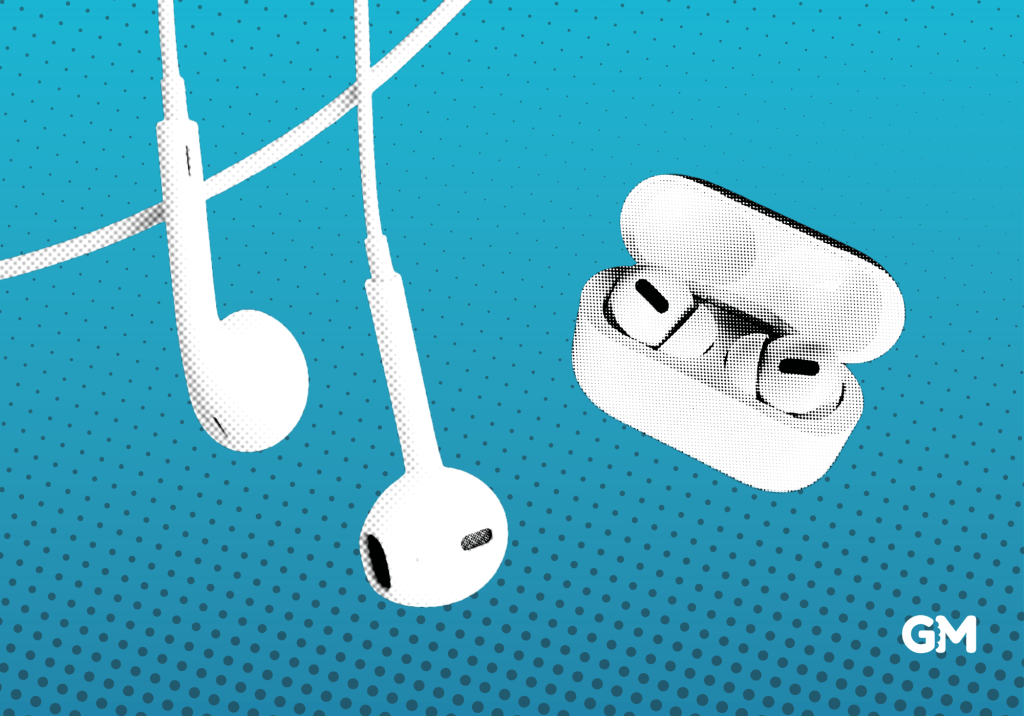
Ten years ago, having wired headphones plugged into your phone was the default method of audio listening. You didn’t think about it. It was just how you listened to music – on the matatu, at the gym, in the library or even on the side of the road taking walks. The 3.5mm jack was as unremarkable as a shoelace. Nobody was making a statement. They were just listening to audio.
Then Apple happened.
2016: The Year the Wire Became Political
In September 2016, Apple took the stage and, with characteristic confidence, killed the headphone jack. The iPhone 7 shipped without it. Phil Schiller called it “courage.” The internet called it something else entirely.
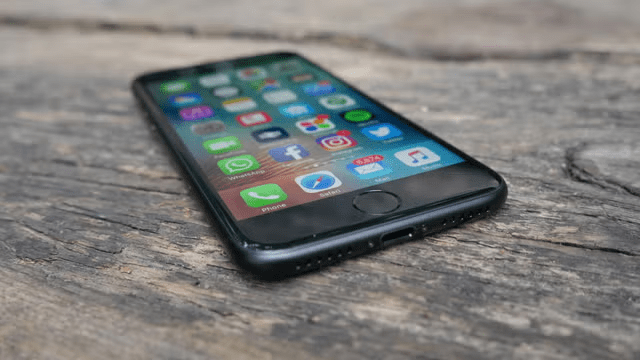
The immediate reaction was chaos. Memes, op-eds, YouTube rants. Tech journalists wrote eulogies for a port that had been around since the 1950s. But underneath the noise, Apple had done something more consequential than remove a socket — they had reframed what audio looked like. Within two years, Android manufacturers followed suit. The 3.5mm jack went from standard to legacy almost overnight.
And quietly, in the same keynote, Apple introduced AirPods.
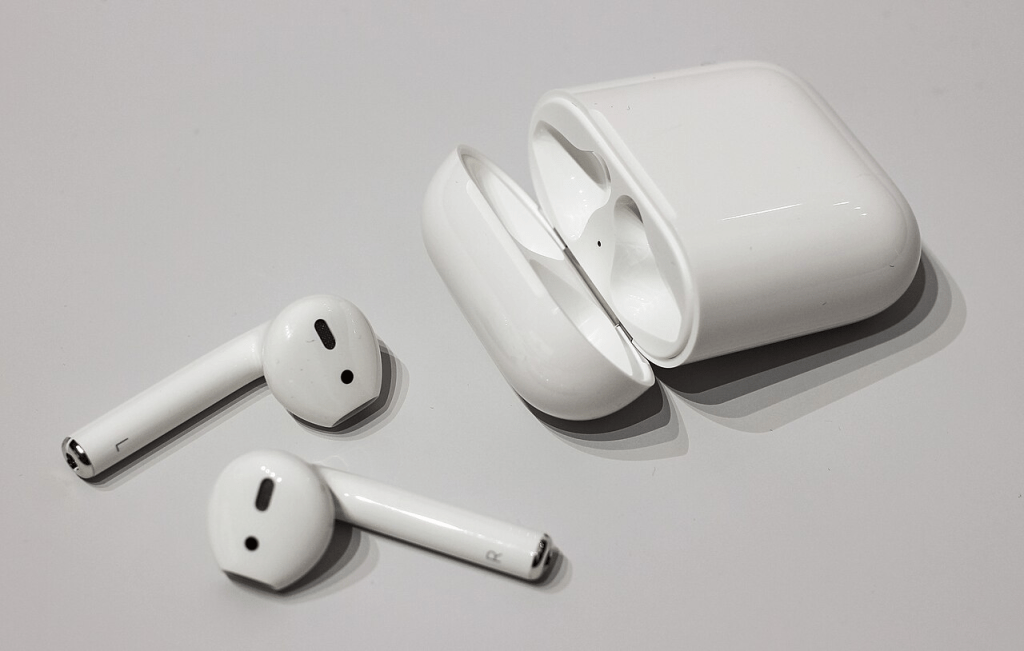
This wasn’t just product design. It was a cultural signal: the wireless future is here, and the wire is for people who haven’t caught up yet. Whether you bought that framing or not, it stuck. By 2019, walking around with a visible cable trailing from your ear carried a faint stigma; you were either an audiophile or someone who hadn’t upgraded. The wire became a class marker, except in reverse: the poorer option, the older option.
For about five years, that framing really held.
The Shift: From Obsolete to Intentional
Somewhere around 2022–2023, something started changing. In the United Sates, paparazzi photos of Bella Hadid and Lily-Rose Depp walking through New York and Paris; cables in, unbothered. Ariana Grande. Paul Mescal. Charli XCX at festivals with wired buds draped over her outfits like jewelry. Dove Cameron at New York Fashion Week in 2025 famously weaving Apple EarPods into her hair bun, a look Vogue flagged as a key moment in the wired renaissance.
The numbers backed it up. After five consecutive years of declining sales, wired headphone purchases surged in the second half of 2025 — up 20% in the first quarter of 2026 alone, according to research firm Circana. A technology widely predicted to die had started flying off shelves again.
But here’s the thing: the technology didn’t improve. The audio didn’t suddenly get better than it was in 2018. The cables didn’t get more convenient. What changed was the meaning attached to wearing them.
The case that it’s purely aesthetic (and why that’s not the Full Story)
The most cynical read is simple: wired headphones are a Y2K nostalgia accessory, like low-rise jeans and disposable cameras. Gen Z – a generation that grew up in the smartphone era but is now reaching back for analogue texture – needed a low-cost, accessible way to signal taste. The wire delivered. It’s visible. It’s retro. It’s cheap enough that even your mum can join in, as one commentator put it. It democratizes a trend that’s usually out of reach.
There’s an Instagram account called Wired It Girls dedicated entirely to the aesthetic. TikTok has creators posting videos captioned “performative ahh wired earphones” — self-aware, meta, and funny precisely because everyone knows what’s going on.
So yes. There is a performative dimension. Wearing your EarPods (or just, any wired headphones) out in 2026, when perfectly functional wireless alternatives exist, carries a communicative weight that simply didn’t exist in 2014. The wire says something. The question is: what exactly does it say, and does the meaning make it less valid?
What the Wire actually communicates
Here’s where it gets more interesting than “it’s just a trend.”
The wired headphone revival sits inside a broader cultural pattern – a Gen Z-led pushback against the always-connected, hyper-optimized, perpetually notified existence that wireless tech enables. Choosing wired isn’t just aesthetic; for a growing number of people, it’s a small act of deliberate friction. It tethers you, literally, to one device. It doesn’t connect to your laptop mid-song. It doesn’t pair, unpair, then repair while you’re on a call. It doesn’t die at 2pm. It just works at the cost of a small physical inconvenience.
One framing that’s emerged across culture writing in Europe and the US describes this as a form of “digital resistance” – not in any grand political sense, but in the way a vinyl record is a form of resistance: you’re slowing down the experience, making it slightly less frictionless, more intentional. The wire becomes a quiet signal that you’re not trying to optimise every second of your commute.
There’s also an audio argument, though it’s more nuanced than audiophiles will want to admit. Wired headphones bypass Bluetooth compression entirely. For most streaming quality (Spotify, Apple Music, YouTube), the difference is negligible to most ears. But FLAC listeners and anyone running lossless audio will tell you that no Bluetooth codec – not LDAC, not LC3 – can transmit as much data as a physical connection. The ceiling on wired is higher. Whether most people ever approach that ceiling is a different question.
The 3.5mm-to-USB-C Transition: The New Adapter Economy
There’s a practical wrinkle worth naming. The resurgence of wired headphones in 2026 is happening in a world that has largely been redesigned to make wiring inconvenient.
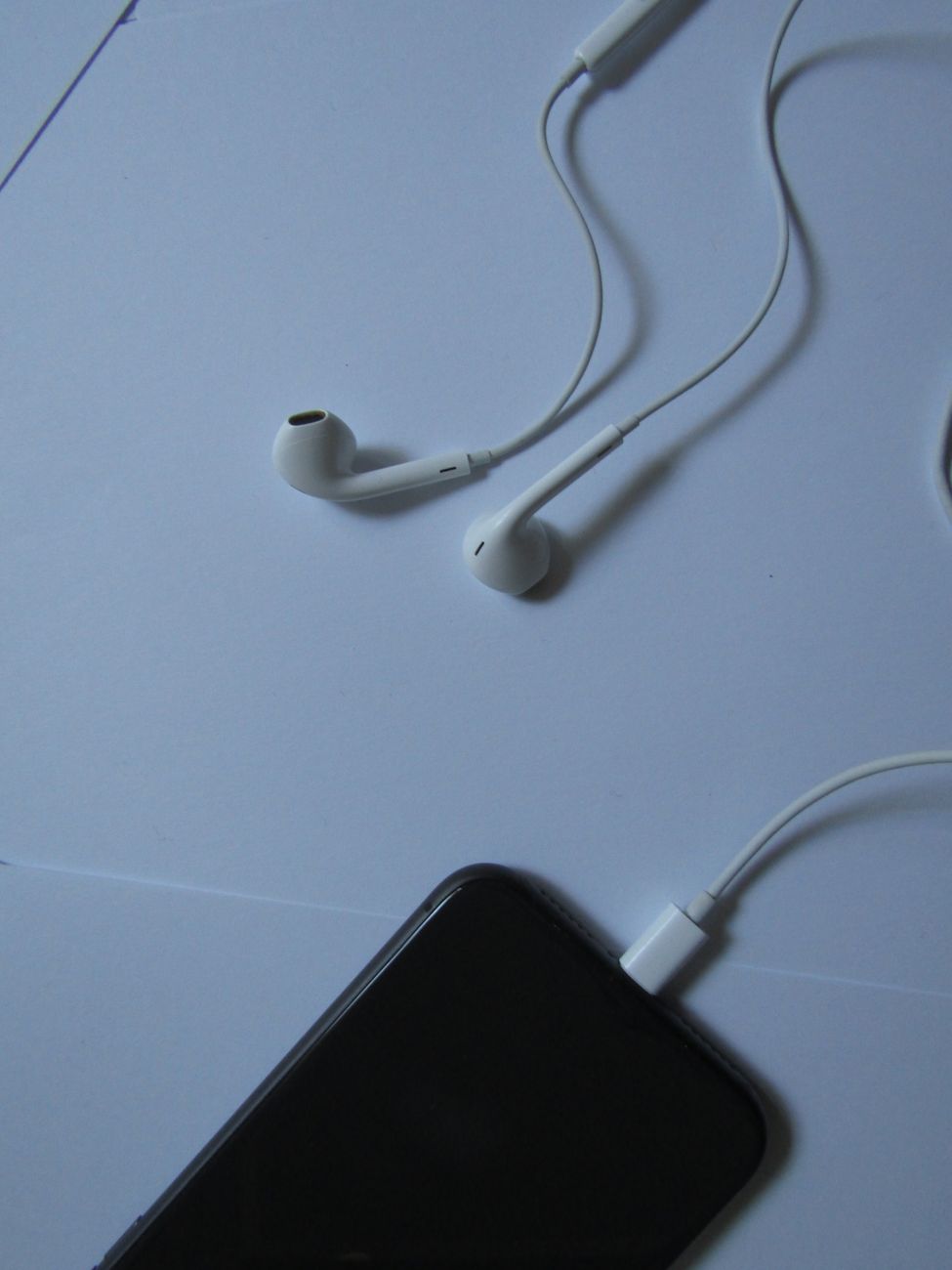
Apple phased out the Lightning-to-3.5mm adapter in 2024. With the full transition to USB-C starting on the iPhone 15, the company now sells a USB-C to 3.5mm adapter for those who want to go wired. Which means: to use your vintage EarPods or your beloved Sennheisers on a modern iPhone, you still need a dongle; you’ve just swapped one adapter for another. The symbolic burden of the dongle hasn’t disappeared; it’s migrated.
Android has had USB-C for longer, and many phones still include a 3.5mm jack, though that’s increasingly rare at the higher mid-range to premium end. The market has fractured: budget and few mid-range phones often keep the jack (a selling point in markets like Kenya where wired headphones remain dominant due to price accessibility), while flagship phones and other mid-range phones have largely abandoned it.
This creates an interesting class dynamic in African markets specifically. Here, the wired headphone never really left, it remained the practical, affordable default while wireless earbuds were a luxury purchase.
When Nairobi’s it girls started wearing Oraimo’s cheaper earphones as accessories, there was a funny collision of contexts: what was a poverty-indicator framing in Western markets (you can’t afford AirPods) was being simultaneously embraced as a fashion statement by the very people who’d always had AirPods as an aspiration. The wire meant different things depending on where you were standing.
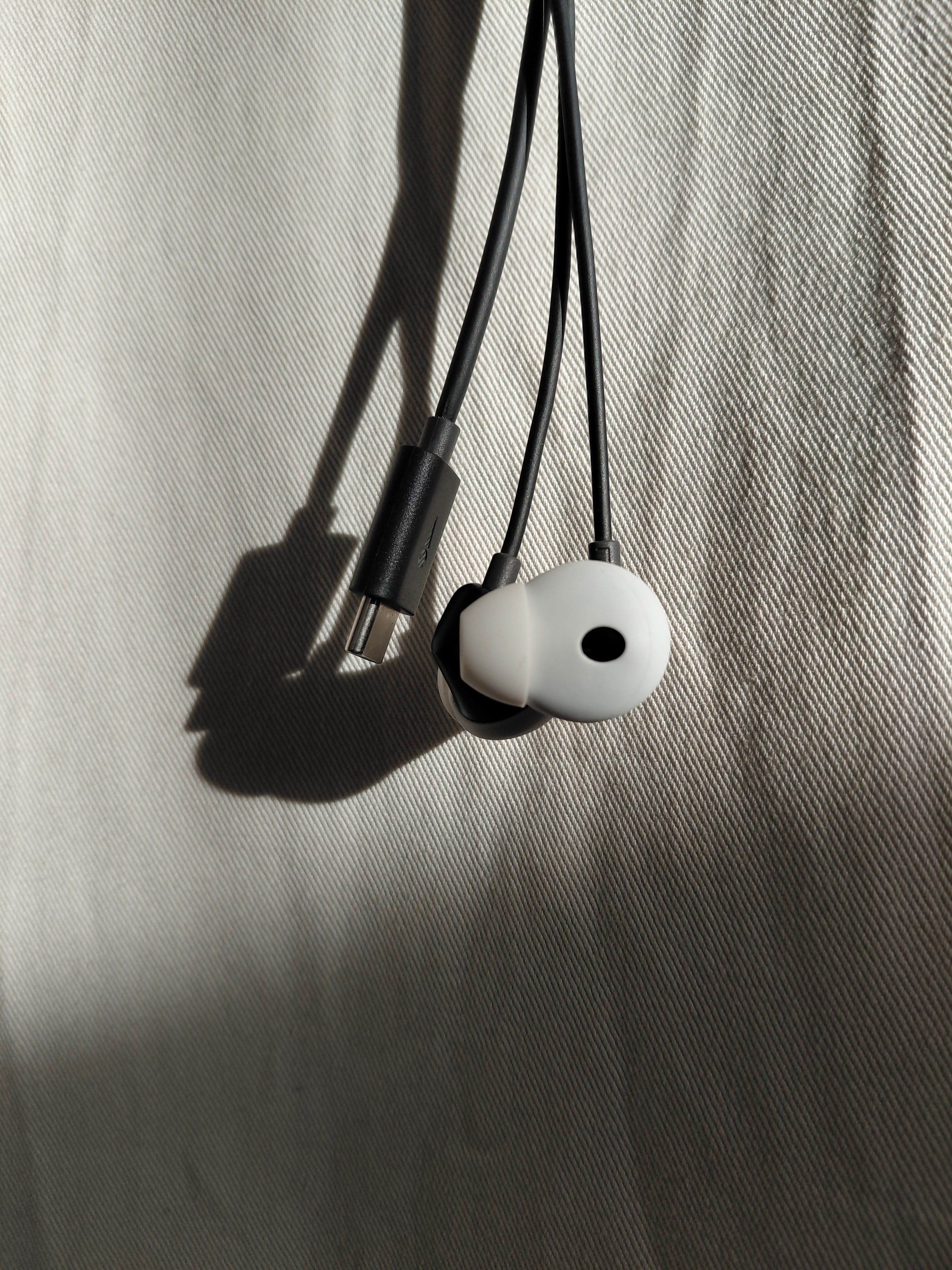
I have been using wired headphones since 2023, including 3.5mm jack and USB-C types. I currently use the Oraimo Halo Airy for USB-C everywhere I go and the HyperX Gaming headphones with a 3.5mm jack at home. Having wired options is essential for my daily use.
So… Is It Performative?
Partially. Deliberately. And probably that’s okay.
All fashion is performative. The AirPods were performative, way too long. The Sony WH-1000XM series stacked on your head to signal “I am a serious remote worker” was performative. Every audio choice at this point in culture is a communication; about taste, budget, values, references, and the kind of person you’re choosing to present as.
What makes the wired headphone interesting in 2026 is that its performance is, paradoxically, a performance of not performing. The aesthetic logic is: I’m not trying. I just listen to music. I’m not wrapped up in the upgrade cycle, the codec wars, the latest ANC ratings. I plug in, I press play. There’s something genuinely appealing about that posture — even if, of course, you’re making a very deliberate choice to project it.
The question isn’t whether it’s performative. The question is whether the thing it performs is worth performing.
And for a generation that grew up watching everyone optimise, filter, and curate every corner of their lives online – choosing the friction of the wire, the visibility of the cable, the deliberate inefficiency of it — might be the most honest statement on the table.
The wire is back. Not because it got better. Because we did.


 GizMunch
Leave a comment